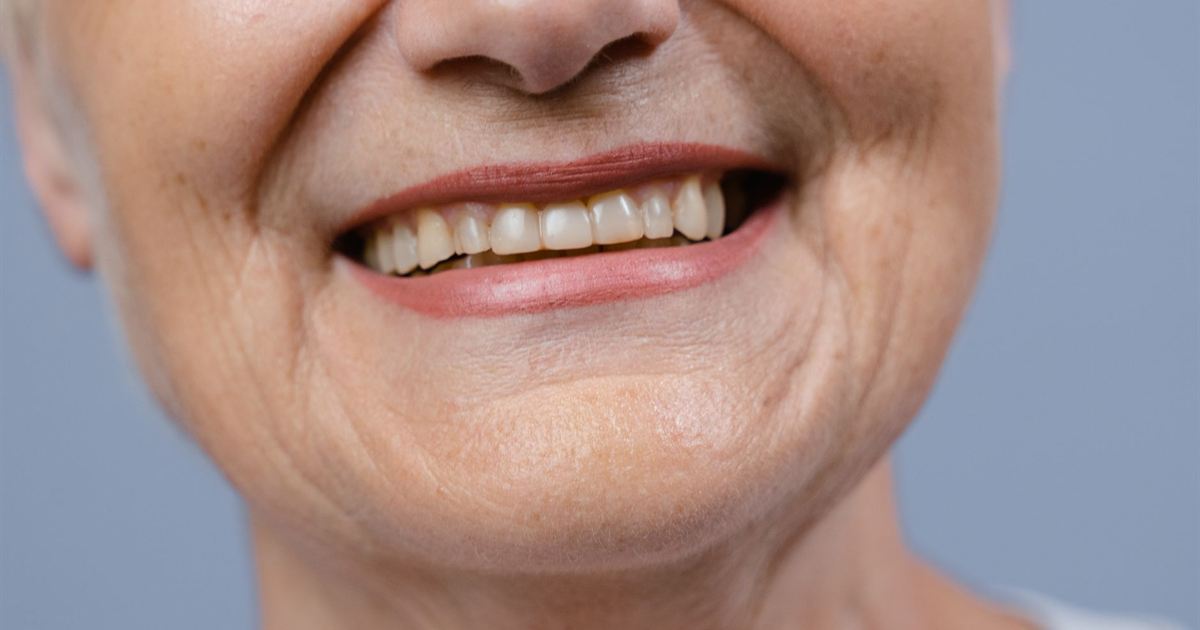
You want to fix a chip, close a gap, or brighten teeth that whitening has not touched. Two options keep coming up and the difference is rarely explained clearly.
Both cover the front of a tooth. What separates them is material, durability, cost, and how much of your tooth survives the process.
Veneers vs bonding comes down to that last point more than most people realize. Bonding adds material to your tooth and is reversible. Traditional veneers require permanently removing a layer of enamel, and that cannot be undone.
Veneers vs Bonding, the Short Answer
Composite bonding applies tooth-colored resin directly to the tooth, shaped by the dentist and set with a light, usually in one appointment and often without any tooth removal. Veneers are thin shells of porcelain made in a laboratory and cemented to the front of the tooth, requiring a layer of enamel to be removed first and taking two appointments. Bonding costs less and lasts a shorter time. Veneers cost more, resist stain better, and last considerably longer.
Bonding is repairable. Veneers are replaceable.
That distinction matters more than the price difference over a twenty-year view.
What Composite Bonding Does
The dentist lightly roughens the surface, applies a bonding agent, then builds up composite resin in layers, sculpting it by hand and hardening each layer with a light. It is finished by shaping and polishing.
Best suited to:
Small to moderate chips
Closing small gaps between front teeth
Repairing a worn edge
Masking a single discolored tooth
Reshaping a slightly irregular tooth
Covering exposed root surface from gum recession
One appointment, usually an hour or less for one tooth, and often no anesthetic since nothing is being drilled.
The limitations are real. Composite stains over time, particularly with coffee, tea, red wine, and tobacco. It chips more easily than porcelain. And the aesthetic result depends heavily on the dentist’s hand, since it is sculpted in the mouth rather than made in a laboratory.
It is the most conservative option available, which is its strongest argument.
What Veneers Do
A thin shell of porcelain, custom made to fit the front of your tooth.
The process runs across two appointments. At the first, a layer of enamel is removed, usually a fraction of a millimeter, an impression or scan is taken, shade is matched, and temporary veneers are fitted. The laboratory makes the veneers over two to three weeks. At the second, the temporaries come off and the veneers are bonded on.
Better suited to:
Multiple front teeth being treated together
Deep discoloration that whitening does not lift
Larger gaps or shape changes
Worn edges across several teeth
Cases where stain resistance matters
Porcelain does not stain the way composite does, and it reflects light more like enamel, which is why the result reads as more natural at close range.
Minimal-prep veneers remove very little or no enamel and suit selected cases. Ask directly whether yours is one, since it changes the reversibility answer entirely.
Side by Side
Composite Bonding
Porcelain Veneers
Appointments
One
Two, two to three weeks apart
Tooth removal
Usually none
A layer of enamel, permanent
Reversible
Yes
No, for traditional veneers
Stain resistance
Lower, stains over time
High
Chip resistance
Lower
Higher
Typical lifespan
Shorter
Considerably longer
Repairable
Yes, added to directly
No, replaced
Cost
Lower
Higher
Anesthetic
Often none
Usually yes
The lifespan row is deliberately unquantified. Published ranges vary widely by material, technique, bite, and habits, and quoting one number would misrepresent how much depends on the individual case.
Your dentist can give you a realistic expectation for your bite and your habits, which is more useful than an average.
The Irreversibility Question
This is the part worth sitting with.
Traditional veneers require removing enamel. Enamel does not grow back. Once a tooth has been prepared for a veneer, it will need a veneer or a crown for the rest of your life. Replacements are needed periodically, and each one is a further cost.
That is not a reason to avoid veneers. It is a reason to be certain before starting, particularly on a young patient or on teeth that are otherwise healthy.
Reasonable questions before agreeing:
How much enamel is being removed?
Is a minimal-prep or no-prep option suitable for my case?
Would bonding achieve an acceptable result here?
What happens when these need replacing?
Can I see a mock-up before anything is removed?
That last question is the most useful one. A wax or digital mock-up shows the proposed result before any tooth is touched.
Which One Suits Your Case
Rough guidance, and an examination decides.
Bonding usually fits one or two teeth, small chips and gaps, a limited budget, someone unsure about committing, or a younger patient where preserving enamel matters most.
Veneers usually fit several teeth treated together, deep discoloration, a desire for a long-lasting stain-resistant result, or a case where the shape change is too large for composite to hold.
Neither is right where the teeth are heavily broken down, which points toward crowns, or where the underlying issue is alignment, which points toward orthodontics first. Covering crooked teeth with veneers is possible and it is often the more destructive route.
Grinding affects both. A nightguard is usually part of the plan either way, since both materials fracture under sustained overload.
The existing post comparing composite and porcelain covers the material science in more detail.
FAQs About Veneers vs Bonding
Is bonding cheaper than veneers? Yes, usually substantially, and it lasts a shorter time and stains more readily. Over a long period the cost difference narrows once replacements are counted. For one or two teeth, bonding is normally the more economical choice.
Do veneers ruin your teeth? Traditional veneers permanently remove a layer of enamel, so the tooth will always need a veneer or a crown afterward. That is a genuine and irreversible commitment rather than damage in the usual sense. Minimal-prep options preserve far more enamel where they are suitable for your case.
How long do veneers and bonding last? Veneers last considerably longer than bonding, and both depend heavily on your bite, whether you grind, and your habits with staining food and drink. Ranges published online vary too much to be reliable, so ask for an expectation based on your own examination.
Can bonding be whitened? No. Composite does not respond to whitening agents, and neither does porcelain. Whitening is done first, then the bonding or veneers are matched to the new shade. Doing it the other way round leaves a mismatch.
Can I get veneers on just one tooth? Yes, and matching a single porcelain veneer to neighboring natural teeth is technically demanding. For a single tooth, bonding is often the better match, since it can be adjusted directly in the mouth until it reads correctly.
See What Suits Your Smile
A consultation with a mock-up shows the proposed result before any tooth is touched.
Call (208) 356-5601 or see our cosmetic dentistry page.
Madison Park Dental, 345 N 2nd E Ste 2, Rexburg, ID 83440. Rated 4.9 stars across 229 Google reviews.
Reviewed by Dr. Matthew Griffeth, Madison Park Dental.This article is general information, not dental advice.
☏
Ready to book?To learn more or schedule an appointment, call Madison Park Dental at (208) 356-5601 or visit us at 345 N. 2ND E., Suite 2, Rexburg, ID 83440.
Matthew Griffeth
Dr. Matthew M. Griffeth is passionate about patient education and preventive care. His mission is to help patients achieve long-lasting oral health with simple, effective habits at home.
Keep Reading
Related Articles
Ready to Transform Your Smile?
To find out more about the dental services offered at Madison Park Dental, call (208) 356-5601 or schedule an online consultation. You can also visit us at 345 N. 2ND E., Suite 2, Rexburg, ID 83440.