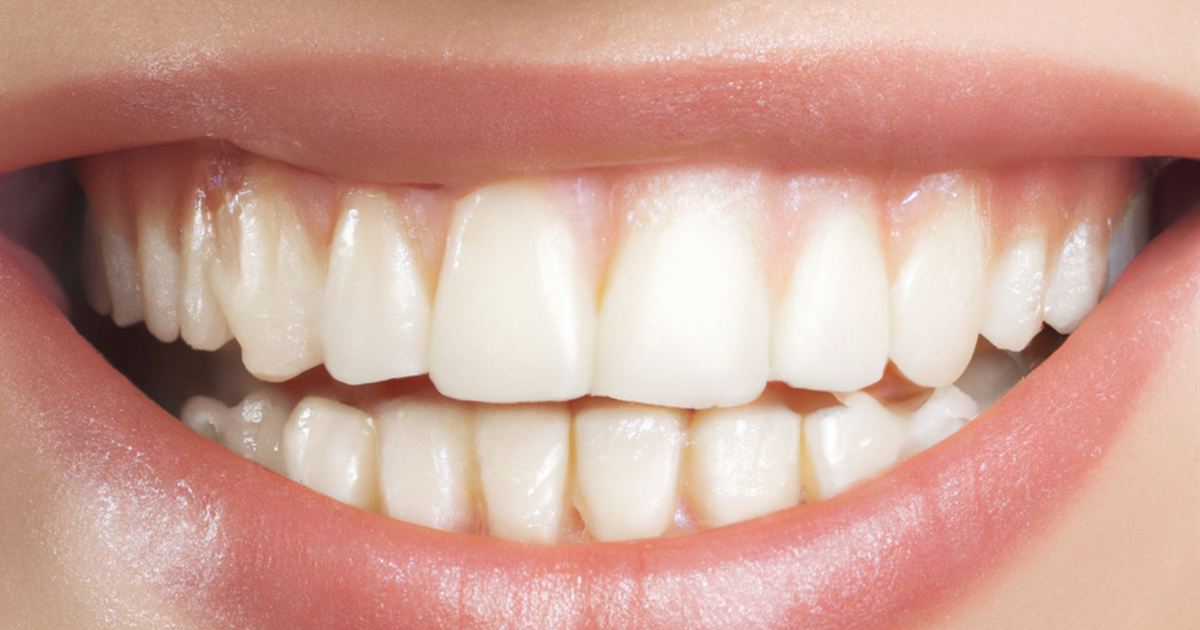
Your teeth look longer than they used to, cold drinks catch at the gumline, and there is a notch you can feel with a fingernail.
Recession is extremely common and it progresses slowly enough to go unnoticed for years.
Gum recession is the gum tissue pulling back from the tooth, exposing the root surface. It does not regenerate on its own, and it is not inevitable. Identifying the cause is what stops it, and that cause is frequently the way you brush.
What Causes Gum Recession
The common causes are aggressive brushing with a hard brush, gum disease destroying the supporting tissue, grinding and clenching, genetics affecting how thin your gum tissue is, tooth position where a tooth sits outside the bone, orthodontic movement, and mechanical irritation from piercings or habits. Smoking and hormonal changes contribute. Most people have more than one cause working together, which is why identifying yours is the first step in stopping it.
Two causes account for the majority of cases seen in practice.
Gum disease and brushing technique, and they are treated in completely different ways.
Why It Matters Beyond Appearance
The cosmetic concern brings people in. The clinical reasons matter more.
Root surfaces decay faster. Roots are covered by cementum rather than enamel, which is softer and dissolves at a higher acidity level. Root decay is common in recession areas and progresses quickly.
Sensitivity. Exposed dentine reacts to cold, air, and sweetness. Our post on sudden tooth sensitivity covers the mechanism.
Recession usually means bone loss underneath. The gum follows the bone. Where the gum has receded, the supporting bone has typically receded too.
Notching at the gumline. Wedge-shaped grooves form where enamel meets root, which weaken the tooth and trap plaque.
Progression. Untreated, recession continues, and severe recession threatens the stability of the tooth.
Cleaning becomes harder. Exposed root surfaces and open spaces between teeth trap more plaque.
That last point creates a loop. Recession makes cleaning harder, poor cleaning worsens gum disease, gum disease causes more recession.
The Brushing Problem
The most common cause and the most fixable, and it consistently surprises people.
Enamel is not scrubbed clean. Plaque is soft, and it is removed by contact rather than force. Pressing hard with a medium or hard brush wears a physical notch into the tooth at the gumline and pushes the gum tissue back.
Signs your brushing is the cause:
Recession worse on the side opposite your dominant hand, where you apply more pressure
Bristles splaying within a few weeks of a new brush
Wedge-shaped notches at the gumline you can feel
Canines and premolars affected most, since they sit most prominently
The corrections:
Use a soft brush. Not medium. Soft. Hold it like a pen, not a fist, which naturally reduces pressure. Small circular movements, not horizontal scrubbing. Two minutes, gently. Duration rather than force. An electric brush with a pressure sensor is genuinely useful here, since most people cannot judge their own pressure. Wait 30 minutes after acidic food before brushing.
Changing technique does not restore what has been lost. It stops the next millimeter.
How to Stop It Progressing
Depends on the cause, and most people need more than one of these.
Cause
What stops it
Aggressive brushing
Soft brush, light pressure, technique change
Gum disease
Deep cleaning and maintenance
Grinding
Nightguard
Tooth position
Orthodontic movement in selected cases
Piercings
Removal
Smoking
Stopping
Thin genetic tissue
Monitoring, gum graft where progressing
Gum disease needs treating properly rather than brushing harder, which is the intuitive but wrong response. Our post on deep cleaning covers what that involves.
Measurement is how progression is tracked. Recession is recorded in millimeters at your checkup, which means comparison over time rather than guessing from photographs.
Ask whether yours is being recorded. Knowing that a site has gone from two millimeters to four over three years is far more useful than an impression.
Treatments That Restore Coverage
Options exist and they are not appropriate for every case.
Composite bonding. Tooth-colored material covers the exposed root, reducing sensitivity and improving appearance. Straightforward, reversible, and it does not restore gum tissue.
Gum grafting. Tissue taken from the palate or from a donor source is placed over the exposed root. It genuinely restores coverage where suitable, and it is a surgical procedure with a healing period.
Pinhole technique. A small entry point is made and existing gum tissue is loosened and repositioned over the root without cutting or stitching. Suitable for selected cases and not all.
Desensitizing treatment. Varnish or bonding agents applied to reduce sensitivity without changing coverage.
Orthodontics. Where a tooth sitting outside the bone is the cause, moving it back into the arch can improve the situation.
Grafting is usually considered where recession is progressing even with the cause being addressed, where sensitivity is severe, where there is very little attached gum remaining, or where appearance matters to the patient.
The American Academy of Periodontology publishes patient information on grafting procedures.
Treating the cause comes first in every case. Grafting over an area that is still being brushed aggressively fails.
When to Be Seen
Recession itself is not urgent. Some of what accompanies it is.
Book an appointment for:
Teeth looking longer than they did
A notch or step you can feel at the gumline
Sensitivity at the gumline to cold or air
Bleeding gums when brushing
A dark or soft area on an exposed root, which suggests root decay
Any tooth feeling loose
Visible change over the last year
The examination records recession in millimeters at each site, checks pocket depths, assesses your brushing technique, and looks for grinding and root decay. That combination identifies the cause in most cases in a single visit.
Bring your toothbrush. The wear pattern on the bristles tells a hygienist a surprising amount.
FAQs About Gum Recession
Can gum recession grow back? Not on its own. Gum tissue does not regenerate over an exposed root surface. Grafting can restore coverage surgically in suitable cases, and bonding can cover the exposed root without restoring tissue. Stopping further recession is achievable in nearly every case.
Is gum recession serious? It matters more than appearance suggests. Exposed roots decay faster than enamel, recession usually indicates bone loss underneath, and it makes cleaning harder, which worsens gum disease. Severe recession threatens tooth stability. Caught early and with the cause addressed, most cases stabilize.
Does brushing too hard cause gum recession? It is one of the two most common causes, alongside gum disease. Signs include recession worse on the side opposite your dominant hand, bristles splaying quickly on a new brush, and wedge-shaped notches at the gumline. A soft brush and lighter pressure stop it progressing.
How do I stop gum recession getting worse? Identify the cause first. Aggressive brushing needs a technique change, gum disease needs treatment, grinding needs a nightguard, and tooth position sometimes needs orthodontics. Most people have more than one factor. Recession recorded in millimeters at each checkup is how progression is tracked.
Do I need a gum graft? Not always. Grafting is usually considered where recession is progressing even with the cause being addressed, where sensitivity is severe, where very little attached gum remains, or where appearance matters to you. Treating the cause comes first, since a graft placed over an untreated cause tends to fail.
Get It Measured
Recession recorded in millimeters at each visit tells you whether it is stable or progressing, which changes what needs doing.
Call (208) 356-5601 or see our dental hygiene page.
Madison Park Dental, 345 N 2nd E Ste 2, Rexburg, ID 83440. Rated 4.9 stars across 229 Google reviews.
Reviewed by Dr. Matthew Griffeth, Madison Park Dental.This article is general information, not dental advice.
☏
Ready to book?To learn more or schedule an appointment, call Madison Park Dental at (208) 356-5601 or visit us at 345 N. 2ND E., Suite 2, Rexburg, ID 83440.
Matthew Griffeth
Dr. Matthew M. Griffeth is passionate about patient education and preventive care. His mission is to help patients achieve long-lasting oral health with simple, effective habits at home.
Keep Reading
Related Articles
Ready to Transform Your Smile?
To find out more about the dental services offered at Madison Park Dental, call (208) 356-5601 or schedule an online consultation. You can also visit us at 345 N. 2ND E., Suite 2, Rexburg, ID 83440.